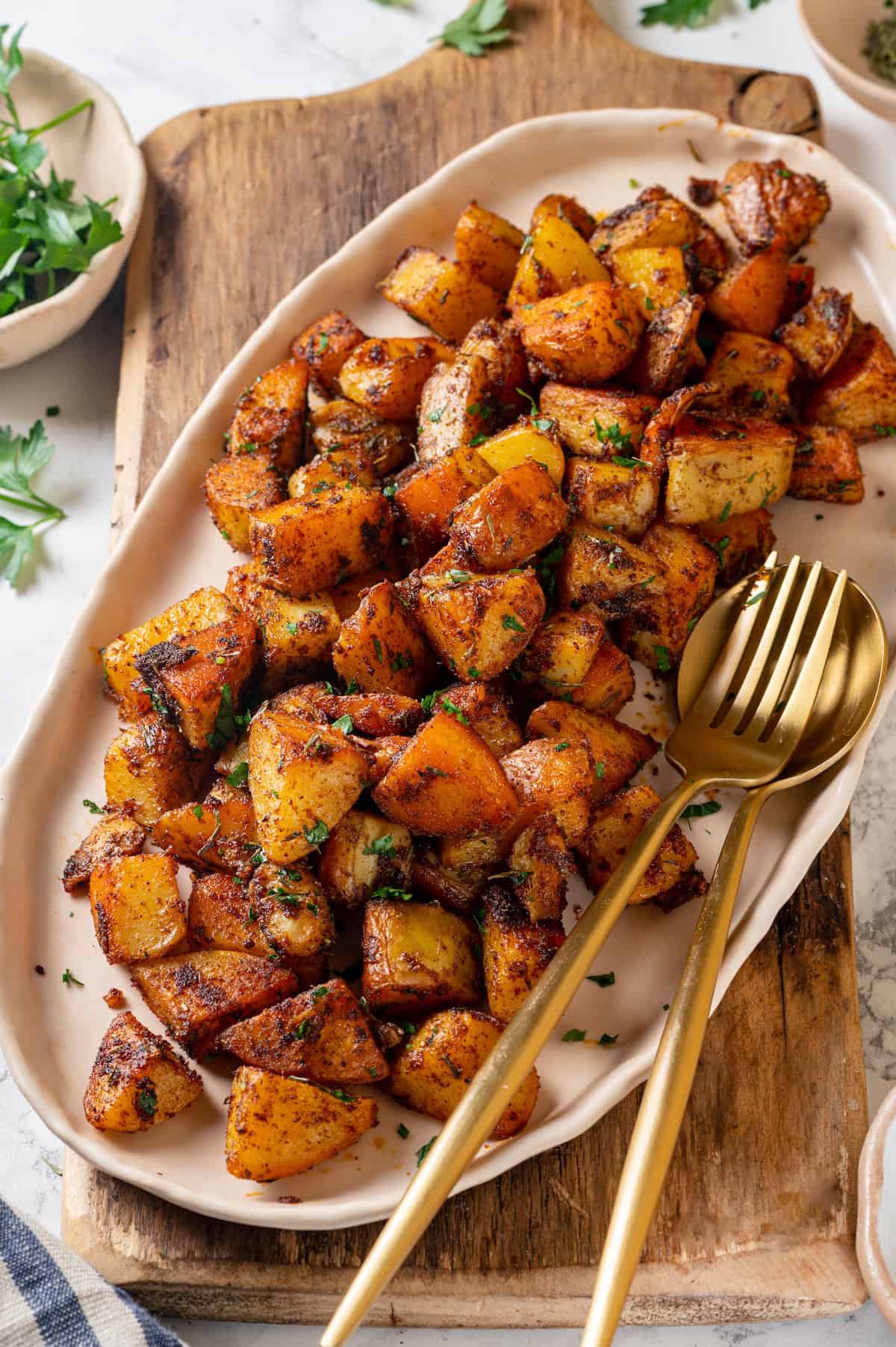
Master Perfectly Crispy Breakfast Potatoes: Your Stovetop & Oven Guide
There are few culinary delights that can rival the simple perfection of a plate of truly perfect breakfast potatoes. That irresistible crunch, the tender, fluffy interior, and a seasoning blend that awakens the senses – it's the kind of dish that makes getting out of bed infinitely easier. Yet, for many home cooks, achieving this golden standard can feel like a culinary Everest. We've all been there: the dreaded soggy spud, the unevenly cooked cube, or the bland bite that leaves you longing for more. But fear not, for the secret to these coveted golden nuggets isn't a closely guarded chef's secret, but rather a combination of clever techniques and a touch of potato science. Whether you prefer the hands-on sizzle of the stovetop or the convenient embrace of the oven, this guide will equip you with the knowledge to craft the most delicious, crispy breakfast potatoes you've ever tasted.
The Quest for Perfect Breakfast Potatoes: Why Most Fall Short
The journey to perfect breakfast potatoes is often paved with good intentions but fraught with common pitfalls. Why do so many attempts result in potatoes that are either mushy, too soft, or crispy on the outside but raw in the middle? The answer lies in understanding the potato itself. Potatoes are inherently starchy and hold a significant amount of moisture. When cooked incorrectly, this starch can turn gluey, and the moisture can steam rather than crisp, leading to that unappetizing sogginess we all dread. Furthermore, their mild flavor means they rely heavily on thoughtful seasoning to truly shine.
Many recipes overlook the crucial pre-cooking steps that set the stage for success. Simply chopping and frying often doesn't give the potatoes enough time to tenderize internally before the exterior browns, or it creates an uneven cook where some pieces are perfect and others are underdone. Then there's the seasoning – a lack of a robust, well-balanced spice blend can leave your breakfast potatoes feeling flat and uninspired. But these are all easily solvable challenges. With the right approach, you can transform humble potatoes into a breakfast masterpiece, full of robust flavor and an incredible texture that makes every bite memorable.
Stovetop Savvy: Achieving Golden, Crispy Perfection in Your Skillet
For those who love the sizzle and control of a skillet, mastering stovetop breakfast potatoes is a highly rewarding endeavor. The key here is not just frying, but strategically managing moisture and heat to achieve that elusive tender-crisp balance. The first step towards truly Stop Soggy Spuds: Unlock the Secret to Ultra-Crispy Breakfast Potatoes is often overlooked: proper potato preparation.
The Foundation: Potato Choice & Prep
While various potatoes can work, Russet potatoes are often favored for their high starch content, which contributes to a fluffy interior, while Yukon Golds offer a creamier texture. Regardless of your choice, consistency is paramount. Dice your potatoes into uniform 1/2 to 3/4-inch cubes. This ensures they cook evenly. A quick rinse under cold water, followed by thorough drying, helps remove excess surface starch, preventing stickiness and promoting crispiness.
The Secret to Tender Interiors & Crispy Exteriors
The biggest game-changer for stovetop potatoes is often a preliminary cooking step. Instead of throwing raw potatoes directly into the pan, consider parboiling or steaming them first. This softens the interior significantly before the browning process begins. Simply boil the diced potatoes in salted water for 5-7 minutes, or until just fork-tender but not mushy. Drain them well and allow them to air dry for a few minutes to evaporate residual moisture. This crucial step ensures your potatoes are soft on the inside while creating the perfect canvas for a crispy crust when they hit the hot skillet.
Mastering the Skillet: Heat, Fat, and Space
Once your potatoes are pre-cooked and dry, it's time for the skillet. Use a heavy-bottomed pan, like cast iron, and heat a generous amount of high-smoke-point oil (like avocado, grapeseed, or even bacon fat for extra flavor) over medium-high heat. The pan should be hot enough that a potato piece sizzles immediately upon contact. Do not overcrowd the pan! This is critical for crispiness. Potatoes release steam; if they're piled high, they'll steam rather than fry. Cook in batches if necessary, giving each potato piece enough room to make direct contact with the hot surface. Stir or flip occasionally, allowing them to develop a deep golden-brown crust on all sides. This careful management of heat and space is vital for achieving those coveted crispy edges.
The Flavor Factor: Signature Seasoning Blend
As mentioned in our reference, potatoes, while comforting, are a blank canvas for flavor. A smoky, deeply savory, and slightly herbaceous seasoning blend elevates them from good to truly delectable. Think a generous mix of smoked paprika (for color and depth), garlic powder, onion powder, dried oregano or thyme, a pinch of cayenne for subtle heat, and, of course, salt and freshly ground black pepper. Add your seasonings towards the end of the cooking process, after the potatoes have started to crisp, to prevent spices from burning and becoming bitter. This strategy ensures the flavors are vibrant and perfectly adhere to the potato's developing crust.
Oven Mastery: Effortless Crispiness with the Baking Soda Breakthrough
For those mornings when you want a more hands-off approach or need to free up stovetop burners, the oven is your best friend for achieving incredibly perfect breakfast potatoes. And thanks to a brilliant technique popularized by culinary science gurus like Kenji López-Alt and Chef John, achieving next-level crispiness is surprisingly simple, all thanks to a common pantry item: baking soda.
Why the Oven Reigns Supreme (Sometimes)
Roasting potatoes in the oven offers several advantages: it provides even heat distribution, requires less active stirring, and frees you to focus on other breakfast components. The dry heat of the oven is also excellent for achieving an all-over crispy crust, making it an ideal method for feeding a crowd.
The Baking Soda Phenomenon Explained
This "highly scientific, but very simple technique" involves adding a small amount of baking soda to the water when parboiling your diced potatoes. Here's how it works: baking soda raises the pH level of the water, making it more alkaline. When potatoes are boiled in this alkaline water, their exterior surfaces begin to break down, becoming wonderfully "roughed up" and starchy. This roughened, almost shaggy surface area acts like a sponge for oil and creates countless tiny pockets and edges that crisp up magnificently in the oven, leading to an incredibly profound level of "crustification." The interior, meanwhile, remains soft and fluffy, creating that perfect textural contrast.
Step-by-Step Oven Roasting for Ultimate Crispiness
To execute this marvel: start by dicing your potatoes uniformly. Place them in a pot, cover with cold water, and add about 1/2 teaspoon of baking soda per pound of potatoes (and a generous pinch of salt). Bring to a boil and cook for 8-10 minutes, or until the edges look visibly broken down and soft, but the potatoes still hold their shape. Drain thoroughly and let them steam dry for a few minutes in the colander. This roughing up and drying is key. Next, transfer the parboiled potatoes to a large bowl, drizzle generously with oil (again, high-smoke-point), and toss well. The "shaggy" surface will readily absorb the oil. Add your preferred seasoning blend (see below). Spread the potatoes in a single layer on a baking sheet, ideally lined with parchment paper, ensuring they have plenty of space. Roast at a high temperature, typically 400-425°F (200-220°C), for 30-45 minutes, flipping them halfway through, until deeply golden brown and shatteringly crispy. For even more insights into unique methods for crispy spuds, you might find more "skillet tricks" and general advice at Baking Soda & Skillet Tricks: Your Guide to Crispy Breakfast Potatoes.
The Time-Tested Flavor Profile
For oven-roasted potatoes, a classic, time-tested diner-style blend works wonders. This often includes salt, black pepper, garlic powder, onion powder, and a dash of paprika. This straightforward yet potent combination offers a familiar and comforting flavor that pairs beautifully with everything from eggs and bacon to a fluffy tofu scramble. Seasoning generously before roasting ensures the spices toast and meld with the potato as it crisps.
Beyond the Basics: Expert Tips for Your Best Breakfast Potatoes Ever
- Embrace the Dry: Whether stovetop or oven, moisture is the enemy of crispiness. Always ensure your potatoes are as dry as possible after rinsing or parboiling.
- Don't Skimp on Fat: Oil not only prevents sticking but also conducts heat evenly and helps create that glorious golden crust. Use enough to lightly coat all surfaces.
- Space is Your Friend: Overcrowding a pan or baking sheet lowers the temperature and steams the potatoes instead of frying or roasting them. Cook in batches if necessary.
- Season Smartly: While some seasoning can go on earlier, save the bulk of your salt and more delicate herbs for closer to the end of cooking, especially on the stovetop, to prevent burning and ensure maximum flavor impact.
- High Heat is Key: For crispiness, you need sufficient heat. Don't be afraid to crank up the oven or keep your skillet at a solid medium-high.
- Serving Suggestions: Perfect breakfast potatoes are incredibly versatile. Pair them with a hearty omelet, alongside crispy bacon or savory sausage, as a side to a vibrant veggie hash, or simply enjoy them on their own with a dollop of hot sauce.
Achieving truly perfect breakfast potatoes is a culinary journey that combines a little bit of science with simple, actionable techniques. Whether you prefer the satisfying sizzle of the stovetop or the convenient crisp of the oven, by understanding the principles of moisture management, proper heat, and strategic seasoning, you can elevate your breakfast game significantly. Say goodbye to soggy spuds and hello to a plate full of golden, crispy, flavor-packed goodness. We encourage you to try these methods and discover the joy of making breakfast potatoes that are so good, you'll want to eat them all day long. Happy cooking!
