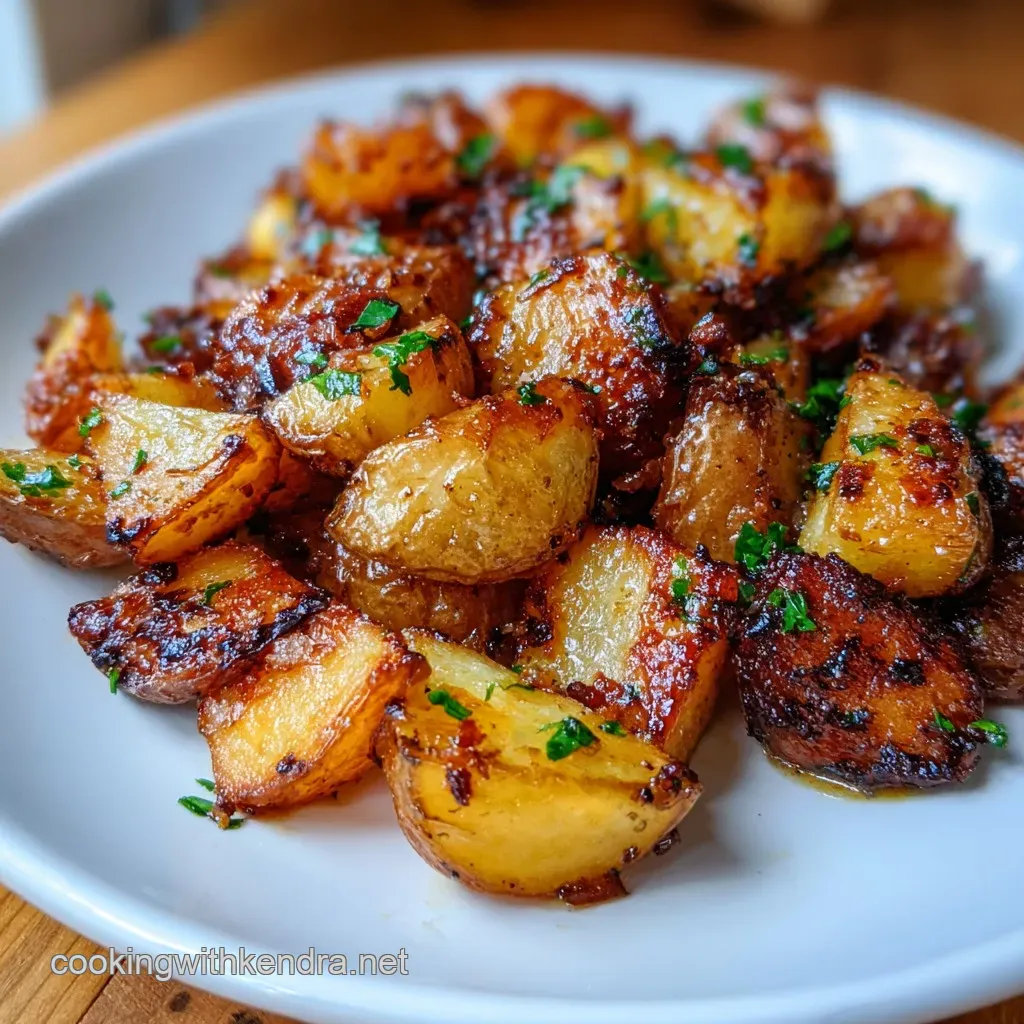
Stop Soggy Spuds: Unlock the Secret to Ultra-Crispy Breakfast Potatoes
There are few culinary delights as comforting and universally loved as a plate of perfectly cooked breakfast potatoes. That golden-brown exterior, the satisfying crunch, followed by a tender, fluffy interior—it's the stuff breakfast dreams are made of. Yet, for many home cooks, this dream often devolves into a nightmare of soggy, mushy, or unevenly cooked spuds. If you've ever found yourself staring dejectedly at a skillet of limp potatoes, wondering where you went wrong, you're not alone. The quest for truly perfect breakfast potatoes can feel elusive, but fear not! We're here to unlock the secrets that transform ordinary spuds into extraordinary crispy masterpieces, whether you prefer the stovetop sizzle or the oven's steady roast.
Forget everything you thought you knew about breakfast potatoes. We're diving deep into the science and technique behind achieving that enviable crunch, ensuring every bite is a revelation. From managing moisture to mastering the magic of a common pantry ingredient, prepare to elevate your morning meal from mundane to magnificent. Get ready to banish soggy spuds from your breakfast table forever!
The Great Potato Predicament: Why Most Breakfast Potatoes Fail
Before we can achieve crispy perfection, it's crucial to understand the common culprits behind potato disasters. The primary antagonist in our story is moisture. Potatoes are naturally high in water content, and if this moisture isn't properly managed, it steams the potatoes rather than fries or roasts them. This leads to that dreaded soggy texture—a far cry from the delightful crunch we crave.
Beyond excess moisture, other factors contribute to failure:
- Overcrowding the Pan: When too many potatoes are crammed into a skillet or baking sheet, they lower the temperature of the cooking surface. This causes the potatoes to steam in their own released moisture instead of browning.
- Insufficient Heat: Cooking potatoes at too low a temperature means they'll absorb oil without crisping up, resulting in greasy, soft spuds.
- Uneven Cuts: Potatoes cut into varying sizes will cook at different rates. Some will burn while others remain undercooked or turn mushy.
- Lack of Pre-Treatment: Directly cooking raw potatoes, especially larger diced pieces, makes it challenging to achieve a tender interior and crispy exterior simultaneously. They often burn on the outside before softening within.
The good news is that these common pitfalls are easily overcome with the right techniques. The journey to perfect breakfast potatoes starts with understanding these challenges and implementing smart solutions.
The Baking Soda Breakthrough: Unleashing Oven-Roasted Perfection
For those who love the hands-off convenience of oven cooking and crave an unparalleled crunch, the baking soda method is a game-changer. Pioneered by culinary science experts, this highly effective technique utilizes a humble pantry staple to transform your potatoes into incredibly crispy morsels with a fluffy interior. It’s also a fantastic way to free up valuable stovetop space for other breakfast components, like a fluffy tofu scramble or sizzling sausage.
The secret lies in parboiling your diced potatoes in water with a small amount of baking soda. But how does it work?
- Raising the pH: Baking soda is alkaline, and adding it to your boiling water raises the pH level.
- Breaking Down Pectins: This alkaline environment causes the pectin on the surface of the potatoes to break down more rapidly. Pectin is the "glue" that holds plant cells together.
- Creating a "Shaggy" Surface: As the potatoes boil and are subsequently tossed, this broken-down surface becomes rough and starchy. Think of it as creating millions of tiny, craggy peaks and valleys.
- Enhanced "Crustification": When these roughed-up potatoes are then tossed with oil and roasted at high heat, that increased surface area and exposed starch crisp up dramatically, creating an unbelievably profound crust.
Your Oven-Roasted Strategy for Crispy Gold:
- Prep Your Spuds: Peel (or don't, it's your call!) and dice your potatoes into even 1-inch cubes. Russets are fantastic for this method due to their high starch content.
- Parboil with Baking Soda: Place the diced potatoes in a pot of cold water. For every pound of potatoes, add about ½ teaspoon of baking soda. Bring to a boil and cook until just tender enough to be pierced with a fork but not falling apart (about 5-10 minutes depending on potato size).
- Drain and Dry: Drain the potatoes thoroughly in a colander. Here's a critical step: let them sit and steam dry for a few minutes. Gently shake the colander to rough up their surfaces even more.
- Season and Roast: Transfer the rough-surfaced potatoes to a large bowl. Drizzle generously with a high smoke point oil (like avocado or grapeseed) and season with a time-tested blend of spices—think smoked paprika, garlic powder, onion powder, black pepper, and a touch of dried thyme or rosemary. Spread them in a single layer on a preheated baking sheet (even better if you preheat the sheet itself in the oven!) and roast at a high temperature (around 400-425°F or 200-220°C).
- Turn for Evenness: Flip the potatoes every 15-20 minutes to ensure all sides get a chance to brown and crisp up.
This technique truly delivers on its promise, providing crispy breakfast potatoes that are consistently tender inside and shattering outside. The secret is out, and it's simpler than you ever imagined!
Stovetop Savvy: Mastering the Skillet for Crispy Gold
For many, the sizzling sound and rich aroma of potatoes cooking in a skillet are synonymous with breakfast. Achieving perfect breakfast potatoes on the stovetop requires a slightly different approach than oven roasting, focusing on heat management and strategic interaction with your pan. This method is all about building that beautiful crust directly in contact with a hot surface.
Key Principles for Stovetop Success:
- Pre-Treat for Tenderness: Even on the stovetop, a quick parboil is your best friend for ensuring tender interiors. Boil your diced potatoes in plain salted water until just fork-tender. This dramatically reduces overall cooking time in the pan and helps prevent the outside from burning before the inside softens. Alternatively, some chefs opt to steam the potatoes first.
- Thorough Drying: This cannot be stressed enough. After parboiling, drain the potatoes well and let them air dry completely. You can even spread them on a clean kitchen towel or paper towels. Any residual moisture will lead to steaming, not crisping.
- The Right Pan and Oil: A heavy-bottomed cast iron skillet or a good quality non-stick pan is ideal. Use a high-smoke-point oil (like avocado, grapeseed, or even a good quality vegetable oil) and be generous – enough to coat the bottom of the pan and lightly coat the potatoes.
- Don't Overcrowd the Skillet: This is arguably the most crucial rule for stovetop crisping. Cook your potatoes in a single layer with plenty of space around each piece. If you have too many, cook them in batches. Overcrowding drops the pan's temperature and traps steam, leading to soggy results.
- Heat Management is Key: Start with medium-high heat to get a good initial sear. Once the first side is beautifully golden, reduce the heat slightly to medium. This allows the potatoes to continue cooking through without burning, while still promoting crispness.
- Patience, My Friend: Resist the urge to constantly stir or flip. Let the potatoes cook undisturbed for several minutes until a significant crust forms on one side before turning. This allows the Maillard reaction (the browning that creates flavor) to occur properly. Repeat this process, turning every few minutes, until all sides are golden and crispy.
By following these steps, you'll achieve stovetop perfectly crispy breakfast potatoes that rival any diner's best—tender within, golden, and crunchy on the outside.
The Flavor Foundation: Seasoning Your Spuds to Stardom
While texture is paramount, the flavor profile of your perfect breakfast potatoes should never be an afterthought. Potatoes are wonderfully mild, serving as a blank canvas for a symphony of spices. A well-crafted seasoning blend can elevate them from good to truly addictive. The goal is a mix that is smoky, deeply savory, and perhaps a little herbaceous.
Crafting Your Signature Blend:
- The Savory Core: Start with basics like salt and freshly ground black pepper. Then, layer in garlic powder and onion powder for an umami punch.
- The Smoky Element: Smoked paprika is a non-negotiable for that classic diner-style depth and beautiful reddish hue. A pinch of cayenne pepper can add a subtle warmth without making them overtly spicy.
- The Herbaceous Touch: Dried thyme, rosemary, or a touch of oregano can introduce a lovely aromatic quality. If using fresh herbs like chopped rosemary or parsley, add them towards the end of cooking or as a garnish to preserve their vibrant flavor and color.
- Other Additions: Consider a pinch of cumin for an earthy note, or even a touch of chili powder. Don't be afraid to experiment with your favorite spice combinations!
When to season? For oven-roasted potatoes, toss them with oil and seasonings after parboiling and drying, before they hit the baking sheet. For stovetop, season after the initial parboil and drying, right before they go into the hot pan. This allows the spices to bloom in the hot oil.
Choosing Your Spud: The Best Potatoes for the Job
The type of potato you choose can impact the final texture of your breakfast potatoes. While many varieties will work, some are better suited for achieving that perfect crisp-tender balance:
- Russet Potatoes: These are high in starch and low in moisture, making them excellent for a fluffy interior and super crispy exterior. They tend to break down a bit more on the surface, which is ideal for "crustification."
- Yukon Gold Potatoes: These offer a creamier interior and thinner skin. They hold their shape well and develop a lovely golden crust. Their waxy-starchy balance makes them incredibly versatile.
- Red Potatoes: While they have a beautiful color and creamy texture, they are waxier and lower in starch, making them slightly less prone to extreme crispness. However, they're still delicious and hold their shape beautifully.
No matter your choice, ensure your potatoes are cut into uniform pieces—roughly 1-inch cubes are ideal. This guarantees even cooking, preventing some pieces from being raw while others are burnt.
Conclusion
The journey to truly perfect breakfast potatoes might seem fraught with potential pitfalls, but with the right techniques, it's an easily achievable culinary triumph. By understanding the importance of moisture control, embracing the scientific magic of baking soda for oven roasting, mastering heat management for stovetop frying, and layering robust flavors, you can transform humble potatoes into a star attraction. No longer will you dread the soggy spud; instead, you'll eagerly anticipate that satisfying crunch. Whether it's for a lazy weekend brunch, a holiday feast, or just a hearty start to your day, these crispy breakfast potatoes are guaranteed to be a crowd-pleaser. So go forth, put these secrets into practice, and enjoy the delicious rewards!
